When a child avoids brushing, complains about tooth pain, or dreads the dental chair, every appointment can feel harder than it should. You want answers you can trust, a calm setting, and a dental visit that helps your child feel safe rather than overwhelmed.
Atlantic Family Dental provides children's dentistry for families throughout Charlotte, NC, with care that fits small mouths, growing smiles, and young patients who need patience as much as treatment. We focus on preventive visits, gentle cleanings, clear explanations, and a steady approach that helps children build comfort over time.
What children's dentistry covers
Children's dentistry supports your child from the first baby teeth through the years when adult teeth begin to come in. At Atlantic Family Dental, we look for early signs of trouble, help reduce discomfort, and guide parents through the best next step for their child’s stage of growth.
Our visits are designed to be calm and practical. We explain what we see, what it means, and what can help at home. That way, you leave with more than a quick cleaning. You leave with a plan that makes sense for your child and your routine.
Common reasons families schedule visits
- Routine checkups for baby teeth and adult teeth
- Cleanings to remove buildup that brushing may miss
- Questions about brushing, flossing, or toothpaste
- Tooth pain, sensitivity, or visible spots on teeth
- Concerns about spacing, new teeth, or bite changes
- Help with getting a nervous child comfortable at the dentist
What to expect
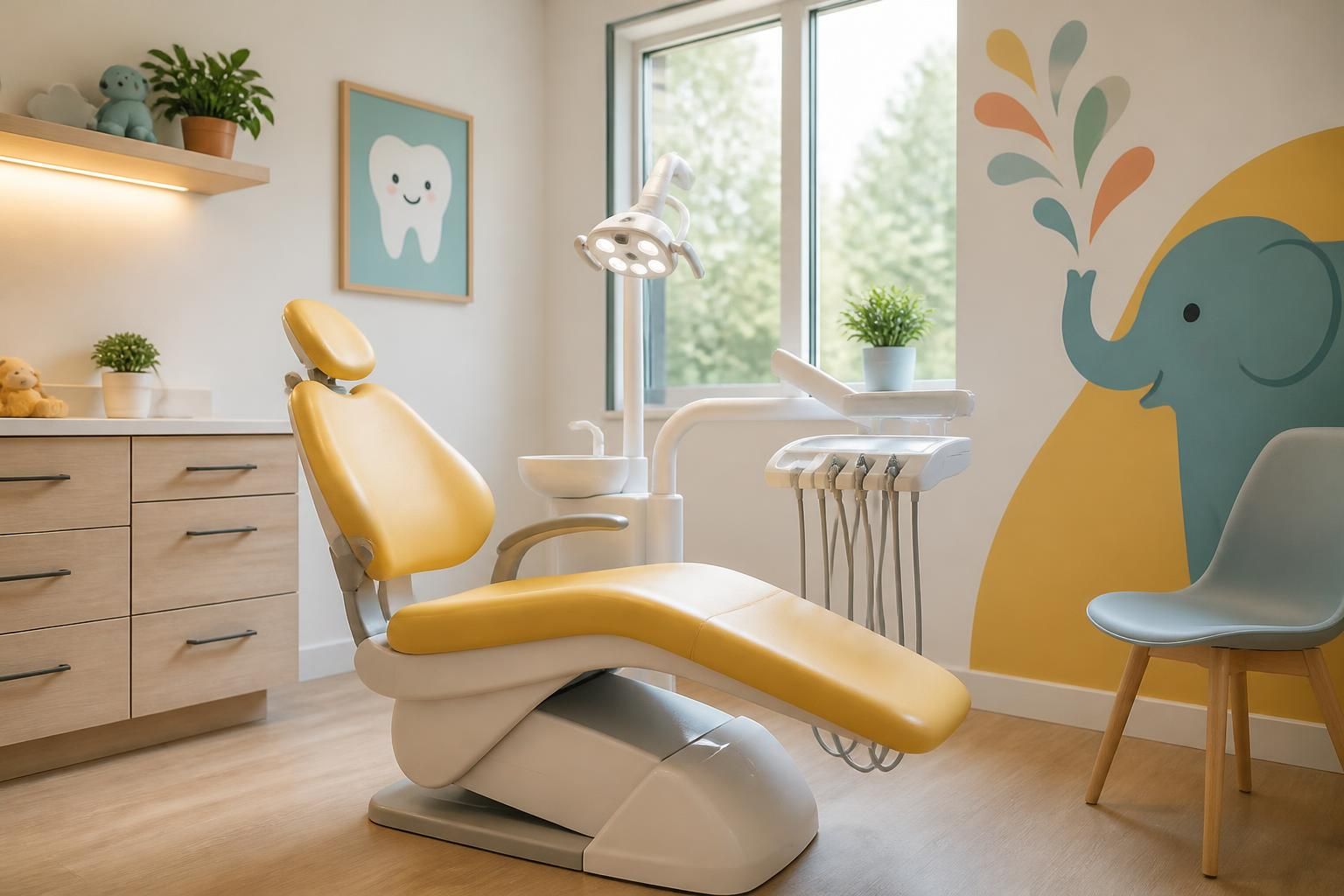
Many children do better when they know what will happen before they arrive. A pediatric dental visit here is kept simple, reassuring, and age-appropriate. We move at a pace that helps children stay relaxed and gives parents a clear picture of what is going on.
- Check-in and welcome
We start with a friendly greeting and a calm introduction so your child can settle in before anything begins.
- Looking at the teeth
We examine the teeth, gums, and bite for signs of decay, irritation, crowding, or areas that need more attention.
- Cleaning and polishing
When appropriate, we remove plaque and buildup and polish the teeth to leave the mouth feeling fresh and clean.
- Guidance for home care
We share brushing and flossing tips that match your child’s age, habits, and daily routine.
If a child is anxious, we explain steps slowly and keep the visit as straightforward as possible. If a parent has concerns about habits, chewing, or pain, we make room for those questions before the visit ends.
Comfort for nervous kids
Some children are naturally talkative and curious. Others need a little more time to warm up. Both are normal. Good children's dentistry should make room for different personalities without forcing a child to “just relax.”
We use a calm tone, simple words, and clear explanations so the visit feels less mysterious. When children know what to expect, they are often more willing to cooperate and return for the next checkup.
Signs your child may need a gentler approach
- Hesitation before getting into the chair
- Fidgeting or crying at the thought of a visit
- Questions about tools, sounds, or what the dentist will do
- Past difficult experiences at other offices
- Strong reactions to brushing, flossing, or mouth cleaning at home
Parents can help by speaking about the visit in calm, simple terms. It also helps to avoid warnings that make the appointment sound scary. If your child needs extra reassurance, tell us ahead of time so we can plan accordingly.
How we help parents
Children's dentistry is not just about what happens during the appointment. It is also about helping parents make clear decisions between visits. We know families need advice that fits real life, not a list of instructions that is hard to follow.
Atlantic Family Dental takes time to answer questions about cavities, tooth eruption, thumb-sucking, and daily care. We can also help you understand what changes are part of normal growth and what changes deserve attention sooner rather than later.
Helpful home routines
- Brush twice a day with a child-sized toothbrush
- Use floss once teeth touch side by side
- Supervise brushing until your child can do it well alone
- Keep an eye on sweets and sticky snacks between meals
- Bring questions to each visit so concerns do not pile up
Small daily habits matter. A few minutes of attention each day can make future visits easier and help your child feel more comfortable with dental care over time.
Concerns we watch for
Many dental concerns start quietly. A child may not say much at first, but you might notice eating changes, brushing resistance, or a tooth that looks different from the others. Catching these signs early can make care simpler and less stressful.
We look for a range of common childhood concerns and explain what they may mean in plain language.
- Tooth decay
White spots, dark areas, or sensitivity may suggest early decay that should be checked soon.
- Gum irritation
Redness or bleeding can point to brushing habits that need adjustment or areas that need closer attention.
- Spacing concerns
As teeth come and go, spacing can shift. We help parents understand whether changes look typical for age.
- Chewing or bite issues
If your child chews on one side, avoids certain foods, or complains about a tooth fitting together oddly, we can take a look.
- Habits that affect teeth
Thumb-sucking, pacifier use, and prolonged bottle habits can influence tooth position and comfort over time.
Growing smiles
As children grow, their dental needs change too. Baby teeth help with chewing and speech, and they also hold space for adult teeth. That makes early care valuable even when the teeth seem temporary.
In Charlotte, NC, families often want one office that can follow a child through different stages without making each visit feel new and unfamiliar. Atlantic Family Dental aims to provide that steady experience. Children get to know the setting, parents get practical updates, and dental care becomes part of a normal routine.
If a child is approaching a new stage, such as losing first teeth or getting more permanent teeth, we can talk through what that transition should look like. That guidance can make home care easier and help you know when to check back sooner.
For Charlotte families
Choosing children's dentistry close to home makes it easier to keep up with visits and follow-up care. Charlotte parents often need an office that works with school schedules, after-work timing, and the reality of managing more than one child’s calendar.
Atlantic Family Dental serves children and parents across Charlotte, Matthews, Huntersville, Concord, Mint Hill, and Pineville. Whether you are scheduling a first visit or bringing a child back after time away, we aim to make the process clear from the start.
You can call +17045550184 or email hello@atlanticfamilydental.example to get started with children's dentistry at our Charlotte office.
Common questions
When should my child first see a dentist?
Children should start dental visits early so we can check growth, guide home care, and help your child become familiar with the office before bigger concerns develop.
How often do children need checkups?
Most children benefit from regular visits so we can monitor development, clean the teeth, and catch changes before they become harder to manage.
What if my child is afraid of the dentist?
Let us know ahead of time. We can use a slower pace, simple language, and a calm approach to help your child settle in.
Can you help with tooth pain or sensitivity?
Yes. Tooth pain or sensitivity should be checked so we can look for decay, irritation, or another cause and explain the next step clearly.
Do baby teeth really matter?
Yes. Baby teeth help with chewing, speech, and guiding the adult teeth into place, so they deserve careful attention while they are in the mouth.
What should I bring to my child’s visit?
Bring any questions you have, plus any details about brushing struggles, pain, habits, or changes you have noticed at home. That helps us focus on what matters most.