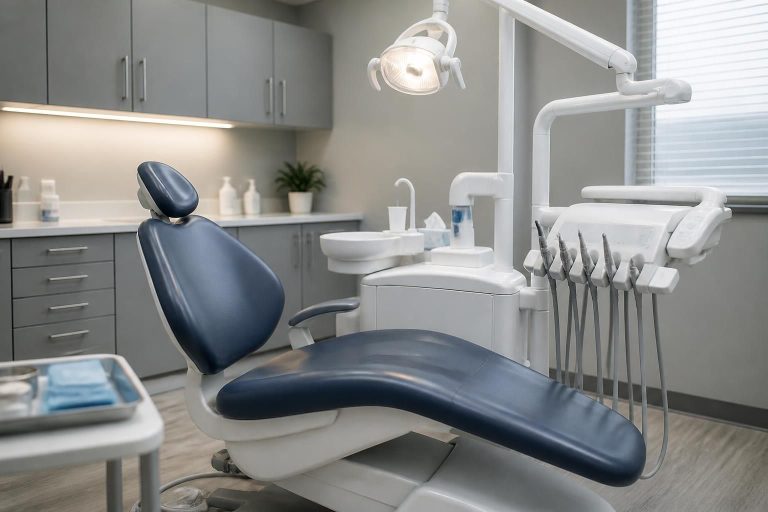
Tooth pain often starts small. Maybe your gums bleed when you brush, your breath seems harder to freshen, or a cleaning has been delayed long enough that you are not sure what comes next. Preventive dental care gives you a clear next step before small concerns turn into bigger treatment.
At Atlantic Family Dental, we help patients across Charlotte, NC stay ahead of cavities, gum irritation, and enamel wear with calm, routine care that fits real life. We focus on early checks, gentle cleanings, and straightforward guidance so you know what your mouth needs now and what to watch for later.
What preventive care covers
Preventive dental care is the routine side of dentistry that helps protect your teeth and gums before problems become painful or complicated. It is not just one appointment. It is a steady plan built around cleaning, checking, and coaching so you can keep oral health on track.
For many patients, preventive care includes:
- Professional cleanings that remove buildup brushing misses
- Oral exams that check teeth, gums, bite, and soft tissues
- X-rays when needed to look below the surface
- Fluoride support when appropriate
- Advice for brushing, flossing, and home care habits
- Monitoring for early signs of decay or gum changes
Atlantic Family Dental uses these visits to catch concerns early and keep future treatment simpler whenever possible.
Signs you may need a visit
Some patients wait until something hurts before booking care. That can work against you, because early dental concerns rarely feel dramatic at first. A preventive visit is a smart move if you notice any of the following:
- Bleeding gums
Gums that bleed while brushing or flossing may point to irritation that deserves attention. - Persistent bad breath
Ongoing odor can come from plaque, gum inflammation, or trapped debris that home care does not remove. - Sensitivity
Wincing with cold, sweets, or brushing can signal enamel wear or early decay. - Visible buildup
Yellow or rough deposits near the gumline can cling even when you brush daily. - Long gaps between visits
If it has been a while since your last exam, a clean slate helps us understand what is changing.
Even if none of those signs are present, regular visits still matter because many issues begin quietly.
What happens here
People often feel more comfortable when they know the flow of the appointment before they arrive. Preventive visits at Atlantic Family Dental are designed to feel clear, calm, and easy to follow.
Clean and exam
We start with a careful cleaning to remove plaque and tartar from areas that are hard to manage at home. Then we examine the teeth, gums, and surrounding tissues for spots that need monitoring or treatment planning.
Helpful imaging
When needed, we may take X-rays to see areas that are not visible during a regular look at the teeth. That helps us track decay, bone changes, and other concerns earlier.
Practical advice
You leave with guidance that is specific to your mouth, not a one-size-fits-all handout. If we see areas that need more attention, we explain them clearly so you understand what matters most.
Home habits that help
Preventive care works best when your daily habits support it. Small changes at home can make a meaningful difference between visits.
- Brush twice a day using a soft-bristled brush and a method that reaches along the gumline
- Floss once a day to clear spaces where a brush cannot reach
- Limit frequent snacking so teeth get breaks between exposures to sugar and starch
- Drink water regularly to help rinse away food and keep your mouth comfortable
- Replace your toothbrush when the bristles look worn or flattened
- Keep visits on a routine so buildup and early changes are found before they spread
If you are helping a child build these habits, consistency matters more than perfection. A simple routine that repeats each day is easier to maintain than a complicated one.
Care for every age
Preventive dental care supports children, teens, adults, and older adults for different reasons, but the goal stays the same: keep the mouth as healthy as possible with fewer surprises.
Children
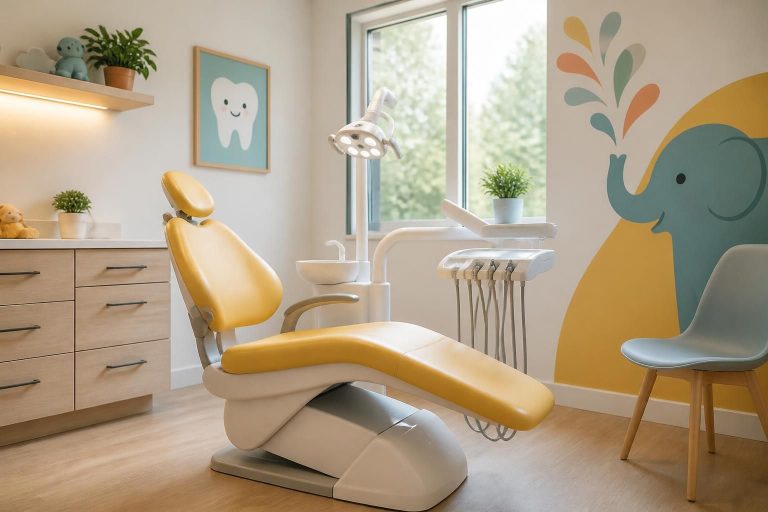
Young patients benefit from early checks that help them get used to the dental chair and let us watch how teeth are coming in. We also talk with parents about brushing, flossing, and diet habits that support growing smiles.
Adults
For adults, routine care helps catch cavities, gum irritation, and wear from grinding or stress before they start affecting daily comfort. It is also a chance to talk through changes in home care or health routines that may affect the mouth.
Older adults
As the mouth changes over time, regular visits can help us keep track of dry mouth, gum health, and areas that need extra attention. Preventive care remains important even if you already have crowns, implants, or other dental work.
Common concerns we watch
Preventive appointments are about more than polishing teeth. They help us look for patterns that may become more serious if ignored.
We commonly watch for:
- Early cavities between teeth or near the gumline
- Gum tenderness, bleeding, or swelling
- Signs of enamel wear from clenching or grinding
- Build-up that returns quickly after cleaning
- Changes in fit, spacing, or bite comfort
- Areas where home care is harder to reach
When we find something small, it is often easier to manage with a simple step than to wait until it becomes more involved.
How to stay consistent
Consistency matters more than intensity. The patients who do best with preventive care usually make it part of their routine instead of treating it as a one-time fix.
- Set a visit pattern
Choose a rhythm that keeps checkups from slipping off the calendar. - Notice small changes
Bleeding, sensitivity, or a rough spot are worth mentioning early. - Keep home care simple
A brush, floss, and a steady routine often work better than complicated steps. - Ask questions during visits
If brushing a certain area is difficult, say so. We can help you adjust your approach.
Atlantic Family Dental serves patients from Charlotte, Matthews, Huntersville, Concord, Mint Hill, and Pineville, and many people come to us looking for a calm way to stay on schedule without feeling overwhelmed.
Common questions
How often should preventive visits happen?
That depends on your mouth, your habits, and any areas we are watching closely. We can help you decide on a routine that fits your needs.
Do cleanings help if I brush every day?
Yes. Daily brushing is essential, but professional cleanings remove hardened buildup that home care cannot reach on its own.
Can preventive care help with sensitive teeth?
It can. Sensitivity sometimes comes from early enamel wear, gum changes, or exposed areas that we can evaluate during a visit.
What if it has been years since my last visit?
That is still a good reason to come in. A fresh starting point helps us check what is going on now and map out the next steps.
Is preventive care useful if I have dental restorations?
Yes. Fillings, crowns, implants, and other restorations still need routine attention so we can monitor the teeth and gums around them.
Can my child start preventive visits early?
Yes. Early visits help children get comfortable with dental care and give parents guidance on brushing, flossing, and healthy habits.
Start with a visit
If you are looking for preventive dental care in Charlotte, NC, Atlantic Family Dental is ready to help you take the next step with clarity and ease. A routine visit can answer small questions before they grow into bigger ones and keep your smile on a steadier path.
Call +17045550184 or email hello@atlanticfamilydental.example to schedule a preventive appointment and get care that fits your life.